Hair Growth Serum has become one of the most effective ways to support healthier, thicker hair. But with so many options available, how do you choose the right one for your specific needs? In this ultimate guide to finding the best hair growth serum, we’ll walk you through key benefits, ingredients, and how to match a serum to your hair type and concerns. Whether you’re dealing with thinning hair, dryness, or damage, this guide will help you make a confident, informed choice.
Choosing the best hair growth serum goes beyond surface-level shine. It works at the scalp level, helping follicles function better and supporting long-term hair health. When used consistently, it can improve how your hair grows, feels, and looks over time.
Hair growth serums deliver multiple benefits, especially when they contain active, science-backed ingredients. Here’s what they can do:
| Benefit | What It Does | Visible Result |
|---|---|---|
| Regrowth Stimulation | Activates follicles | New baby hairs |
| Hair Fall Reduction | Strengthens roots | Less shedding |
| Scalp Health | Balances scalp | Reduced irritation |
| Follicle Strength | Improves structure | Less breakage |
| Thickness Boost | Supports density | Fuller-looking hair |
Hair growth serums are suitable for a wide range of people, especially those dealing with specific hair concerns. Choosing the right formulation makes a noticeable difference.
Hair may appear less dense over time, and the scalp becomes more visible. This happens gradually, often going unnoticed at first. Hair growth serums help improve thickness and coverage by supporting the follicles and encouraging stronger, fuller strands. Over time, it can restore a more balanced and healthy look.
Stress can trigger increased shedding and disrupt the normal hair growth cycle. You might notice more hair falling out during brushing or washing. In this case, serums help support recovery by nourishing the scalp and helping hair return to its natural growth rhythm. With consistent use, it can reduce excessive shedding and promote regrowth.
Hormonal changes, such as postpartum shifts or imbalances, can lead to sudden or uneven hair loss. It may feel unpredictable, and hair density can drop quickly. Hair growth serums help stabilize follicles and provide essential nutrients to support regrowth. Over time, they can help bring back strength and balance to the hair.
Frequent coloring, bleaching, or chemical treatments can leave hair dry, weak, and prone to breakage. It often loses its natural strength and elasticity. Hair growth serums help repair damage by nourishing strands, improving structure, and protecting against further harm. With regular use, hair becomes healthier, smoother, and more resilient.
| Hair Concern | How Serum Helps |
|---|---|
| Thinning hair | Boosts density and regrowth |
| Excess shedding | Strengthens roots |
| Dry or irritated scalp | Improves hydration and balance |
| Weak, brittle hair | Reinforces hair structure |
| Chemically damaged hair | Repairs and protects strands |
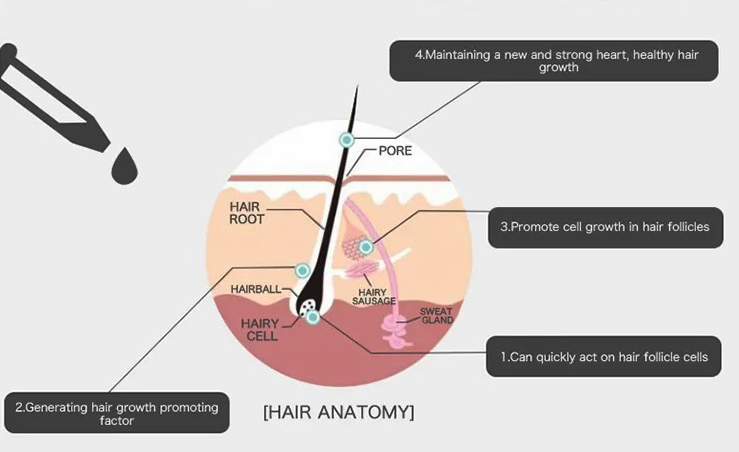
Not every hair growth serum delivers the same results for everyone. Your hair type, scalp condition, and daily habits all influence how well a product works. When the formula matches your needs, it can support healthier growth, better texture, and reduced hair fall.
Oily hair needs balance. Too much product can clog pores and worsen buildup, so lightweight formulas work best. They absorb quickly and don’t leave a greasy layer on the scalp.
What to look for:
Lightweight, non-greasy textures
Oil-control and scalp-cleansing properties
Key ingredients:
Tea tree oil helps reduce scalp buildup and irritation
Salicylic acid gently exfoliates and keeps follicles clear
Dry hair needs deep hydration and repair. Without enough moisture, strands become weak, brittle, and prone to breakage, which slows growth.
What to look for:
Hydrating, nourishing formulas
Ingredients that repair and lock in moisture
Key ingredients:
Hyaluronic acid draws moisture into the hair and scalp
Ceramides strengthen the hair barrier and prevent dryness
Natural oils provide softness and shine
Fine hair is delicate and can easily get weighed down. Heavy formulas make it look flat, so a lightweight approach is essential.
What to look for:
Lightweight, volumizing serums
Non-heavy formulas that won’t flatten hair
Key ingredients:
Peptides help strengthen hair follicles
Biotin supports thicker, stronger hair growth
Thick or frizzy hair needs control, moisture, and smoothness. The goal is to reduce frizz while improving manageability and softness.
What to look for:
Smoothing, nourishing formulas
Ingredients that tame frizz and improve shine
Key ingredients:
Natural oils help smooth and condition hair
Proteins strengthen strands and improve texture
Chemically treated hair is often weakened and more fragile. It needs repair-focused formulas to restore strength and reduce breakage.
What to look for:
Repair and strengthening formulas
Products that support damaged hair structure
Key ingredients:
Keratin helps rebuild damaged hair fibers
Proteins restore strength and elasticity
Minoxidil supports regrowth in thinning areas
| Hair Type | Best Formula Type | Key Ingredients | Main Benefit |
|---|---|---|---|
| Oily Hair | Lightweight, non-greasy | Tea tree oil, salicylic acid | Controls oil and clears scalp |
| Dry Hair | Hydrating, rich | Hyaluronic acid, ceramides, oils | Deep moisture and repair |
| Fine Hair | Lightweight, volumizing | Peptides, biotin | Adds thickness without weight |
| Thick/Frizzy Hair | Smoothing, nourishing | Oils, proteins | Reduces frizz and improves manageability |
| Chemically Treated | Repair-focused | Keratin, proteins, minoxidil | Repairs damage and supports regrowth |
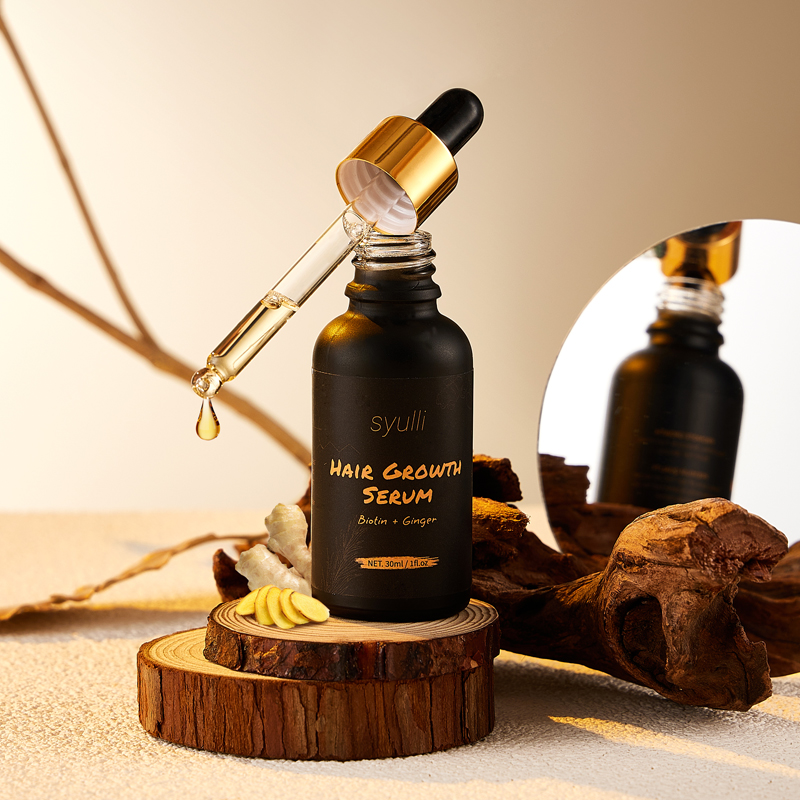
Hair growth does not happen instantly. It follows a natural cycle, and serums support this process step by step. When you stay consistent, improvements appear gradually, not all at once.
At this early stage, changes are subtle but noticeable. Hair may feel smoother and softer, while shedding starts to decrease. It’s not full regrowth yet, but the scalp begins to respond. You might notice less hair in your brush or shower drain.
New fine hairs, often called baby hairs, start to appear along the hairline or thinning areas. It’s a sign that follicles are becoming more active. At this point, hair may look slightly fuller, and the overall appearance starts improving.
With continued use, hair becomes visibly thicker. Density improves, and sparse areas begin to fill in. The strands themselves may also feel stronger and more resilient. This stage reflects long-term progress.
Age plays a role in how quickly hair responds. Younger individuals may see faster results, while genetics influence hair thickness and growth potential. It varies from person to person.
Hormones directly affect the hair growth cycle. When they are balanced, hair grows more steadily. If there are fluctuations, such as during stress or life changes, results may take longer to appear.
What we eat impacts hair health. Nutrients like protein, vitamins, and minerals support stronger growth. A poor diet or unhealthy habits can slow down the effectiveness of a serum.
Consistency is key. Using the serum regularly allows ingredients to build up their effects over time. Skipping applications can interrupt progress, so daily or recommended use matters a lot.
Finding the right Hair Growth Serum isn’t about trends—it’s about understanding your hair and choosing formulas that truly support it. When you match ingredients to your concerns and stay consistent, results become more visible over time. From strengthening follicles to improving scalp health, the right approach makes all the difference.
At Rhine International Biotechnology (Guangdong) Co., Ltd., we focus on developing advanced, science-driven hair care solutions designed to meet diverse hair needs. Explore smarter solutions, and take the next step toward stronger, healthier hair with confidence.
A: Choose based on your hair type and concern. Look for proven ingredients like minoxidil, peptides, or biotin. Match formulas to oily, dry, or damaged hair for better results.
A: They can stimulate new growth and improve thinning areas, but results depend on factors like genetics and consistency. They work best when follicles are still active.
A: Most serums are safe when used as directed. Always follow instructions and do a patch test, especially if you have a sensitive scalp.
A: Yes, many serums are suitable for both. However, some formulas target specific hormonal patterns, so choose based on your needs.
A: Yes, but apply serum directly to the scalp first. Let it absorb before using styling or conditioning products for best results.