Are you ready to tap into the booming lip care market? Private label lip balm offers a unique business opportunity. It lets you create your own brand without making products from scratch. In this post, you’ll learn what private label lip balm is, its benefits, and current market trends. Get ready to start your own successful lip balm brand!
The private label lip balm market is evolving fast. Consumers want natural, organic ingredients and eco-friendly packaging. Products with added benefits like SPF protection, moisturizing, or healing properties are in high demand. Many buyers also look for cruelty-free and vegan options. Personalization is another growing trend—people love lip balms that fit their lifestyle or skin needs.Sustainability matters. Brands using recyclable or biodegradable packaging gain more attention. Transparency about ingredients builds trust, especially among younger consumers. Social media buzz around clean beauty and wellness products drives interest in private label lip balms that align with these values.
Private label lip balms appeal to diverse groups:
Young adults and teens: Trendy, colorful, and flavored lip balms attract this audience. They often seek fun, Instagrammable products.
Health-conscious consumers: Prefer organic, natural, or vegan lip balms free from harmful chemicals.
Outdoor enthusiasts: Look for lip balms with SPF and protective features.
People with sensitive skin: Need hypoallergenic, healing formulas with soothing ingredients.
Gift buyers: Attractive packaging and unique scents make lip balms popular gifts.
Understanding your target audience helps tailor your product and marketing strategy.
The market has many established brands, but opportunities remain:
Niche formulations: Few brands focus on Ayurvedic, medicinal, or specialty lip balms. Custom formulas can fill this gap.
Sustainability focus: Many products still use plastic packaging. Eco-friendly options can set brands apart.
Personalization: Limited brands offer customized lip balms. This can attract consumers wanting unique products.
Regional preferences: Some markets lack products catering to local tastes or climates.
Identifying these gaps helps position your brand for success.
Choosing a manufacturer with proper certifications is crucial. Certifications like GMP (Good Manufacturing Practices) ensure the product is made under strict quality control. This means your lip balm will be safe, consistent, and compliant with regulations. Other important certifications include ISO standards and cruelty-free or organic certifications if your brand focuses on natural or ethical products. These certifications build trust with customers and protect your brand’s reputation.
Customization is key to standing out in the crowded lip balm market. Look for manufacturers offering flexible options:
Ingredients: Can you choose natural oils, butters, or special additives like SPF or vitamin E?
Flavors and scents: Options like peppermint, vanilla, or fruity blends help attract different customers.
Packaging: From tubes to tins, and eco-friendly materials, packaging should reflect your brand’s identity.
A manufacturer who allows you to customize formula and packaging helps create a unique product that resonates with your target market.
MOQ is the smallest number of units you can order per batch. It varies widely between manufacturers. Some require thousands of units, which can be costly for startups. Others offer smaller MOQs, ideal for testing the market or launching limited editions. Consider your budget and sales forecast carefully. Negotiate MOQs if possible, especially if you plan to scale later. A flexible MOQ reduces upfront risk and helps you manage inventory better.
Finding a reliable manufacturer involves research and due diligence:
Check certifications and quality control processes.
Request samples to test product quality and packaging.
Review their customization capabilities to match your brand vision.
Ask about production timelines and communication responsiveness.
Read reviews or ask for references from other clients.
A trustworthy manufacturer acts as a partner, supporting your brand’s growth with consistent quality and service.

Customizing your lip balm formula is a game-changer for your brand. It lets you create a product that truly stands out, appealing directly to your target customers. Instead of selling a generic lip balm, you offer something unique that reflects your brand’s identity and values. Customized formulas help build customer loyalty because people feel the product was made just for their needs. Plus, it opens doors to niche markets, such as organic, vegan, or medicated lip balms, which can boost your brand’s reputation and sales.
Choosing the right ingredients is key to making a great lip balm. Here are some popular options and why they work well:
Shea Butter: Deeply moisturizes and nourishes dry lips.
Coconut Oil: Softens lips and adds natural hydration.
Beeswax: Creates a protective barrier that locks in moisture.
Vitamin E: Helps heal and protect lips from damage.
Peppermint Oil: Adds a refreshing tingle and pleasant scent.
Aloe Vera: Soothes irritation and promotes healing.
These ingredients can be mixed and matched depending on the product’s purpose and your customers’ preferences.
Lip balms serve different needs, so customizing the formula to fit these functions is smart:
Moisturizing: Ideal for customers with dry or chapped lips. Focus on rich emollients like shea butter and coconut oil.
Healing: Targets those with irritated or cracked lips. Ingredients like aloe vera and vitamin E help soothe and repair.
SPF Protection: Appeals to outdoor lovers who want sun defense. Adding SPF filters protects lips from UV damage.
Anti-aging: Attracts customers wanting youthful lips. Antioxidants and nourishing oils help reduce fine lines and dryness.
Understanding these functions helps you design products that meet specific needs and boost customer satisfaction.
Work closely with your private label manufacturer to develop a formula that fits your vision. Share your ideas about ingredients, scents, and benefits. A good manufacturer offers flexibility and expertise, guiding you through ingredient choices and regulatory requirements. They can help you test samples and tweak the formula until it’s perfect. This partnership ensures your lip balm is safe, effective, and unique. Don’t hesitate to ask for prototypes and provide feedback—this collaboration is key to launching a product that stands out in a crowded market.
Your logo and packaging are the first things customers notice. They must clearly show what your brand stands for. Think about your brand’s personality—is it fun and youthful, luxurious and elegant, or natural and eco-friendly? Your logo design should match this vibe using colors, fonts, and shapes that speak to your target audience.Packaging plays a huge role too. It’s not just about protecting the product but also telling your story. Choose packaging styles—like tubes, tins, or jars—that suit your product and audience. Use colors and graphics that reinforce your brand message. For example, a natural brand might use earthy tones and simple designs, while a playful brand might go bold and colorful.
Sustainability is a major selling point now. Many consumers prefer brands that care about the environment. Using recyclable, biodegradable, or refillable packaging sends a strong message. Materials like paperboard, glass, or aluminum are popular eco-friendly options.Beyond materials, consider minimal packaging to reduce waste. Clear labeling about sustainability efforts builds trust and attracts eco-conscious buyers. This approach can also set your brand apart in a crowded market.
High product quality is the backbone of a successful brand. Even the best packaging won’t save a poor formula. Consistently delivering a lip balm that feels great, smells good, and performs well keeps customers coming back.Work closely with your manufacturer to maintain quality control. Test batches regularly and gather customer feedback to improve. Quality products lead to repeat sales, positive reviews, and word-of-mouth referrals, all vital for growth.
Trust and emotion drive buying decisions. People buy brands they feel connected to. Share your brand story—why you started, what values you hold, and how your products help customers.Use honest marketing and transparent ingredient lists. Engage customers through social media and respond to their questions sincerely. Packaging and messaging that evoke positive feelings encourage loyalty and advocacy.A strong emotional connection turns one-time buyers into lifelong fans.
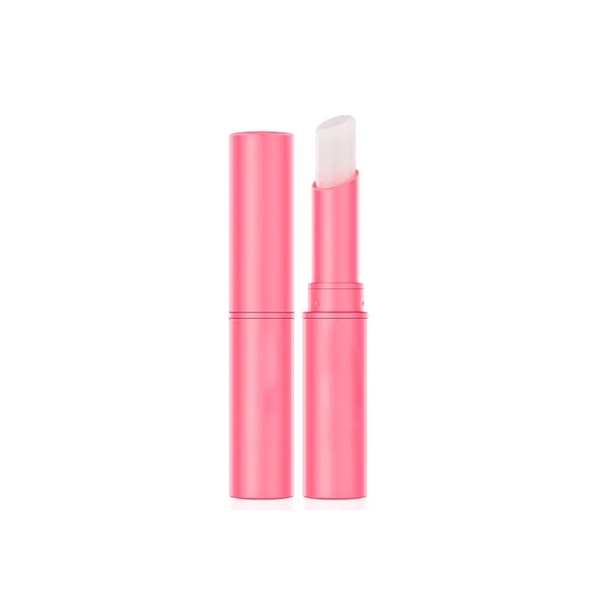
Launching an online store is a smart move to reach customers directly. Platforms like Shopify, WooCommerce, or BigCommerce make it easy to create a professional-looking website without coding skills. Your e-commerce store gives full control over branding, product presentation, and customer experience.Focus on clear product pages with high-quality images and detailed descriptions. Highlight your lip balm’s unique features, ingredients, and benefits. Include customer reviews to build trust. Make the checkout process simple and secure to reduce cart abandonment.Consider adding features like subscription options or bundles to increase sales. Also, optimize your site for mobile devices since many shoppers use phones. Fast loading speeds and easy navigation improve user satisfaction.
Selling through physical stores can boost your brand’s visibility. Approach local boutiques, beauty shops, or wellness stores that align with your target audience. Provide attractive wholesale pricing and marketing support to encourage retailers to stock your lip balm.Online marketplaces like Amazon, Etsy, or TikTok Shop offer access to large customer bases. Listing your product there can drive additional sales and brand awareness. However, these platforms often charge fees and limit direct customer interaction. Balance marketplace sales with your own website to maintain brand control.When partnering with retailers, ensure your packaging and branding stand out on shelves. Provide product training or samples to store staff to help them promote your lip balm effectively.
Consistency matters across all sales channels. Customers expect the same quality, branding, and service whether buying online or in-store. Use unified branding, packaging, and messaging everywhere.Offer excellent customer service by responding promptly to inquiries and resolving issues quickly. Use CRM tools to track customer interactions and personalize communication.Shipping speed and reliability also affect customer satisfaction. Work with dependable logistics partners to ensure timely delivery. Provide clear tracking information and hassle-free returns.Collect feedback regularly from both online and retail customers. Use insights to improve products, packaging, or marketing strategies. A seamless, positive experience encourages repeat purchases and word-of-mouth referrals.
Influencer marketing is a powerful way to get your lip balm brand noticed fast. Partner with influencers who share your brand values and have followers matching your target audience. Beauty bloggers, skincare enthusiasts, and lifestyle creators can showcase your lip balm through tutorials, reviews, or daily use posts. This kind of authentic content builds trust and encourages followers to try your product.Micro-influencers, with smaller but highly engaged audiences, often provide better ROI. They tend to have loyal followers who value their opinions. Offer them free products or affiliate commissions to motivate honest promotion. Remember, long-term collaborations often create stronger brand loyalty than one-off posts.
Optimizing your website for search engines helps attract organic traffic and potential buyers. Start by researching keywords your customers use, like “natural lip balm,” “SPF lip balm,” or “vegan lip care.” Use these keywords naturally in product titles, descriptions, blog posts, and meta tags.Create helpful content around lip balm benefits, usage tips, and ingredient highlights to boost SEO further. For example, a blog post titled “Top 5 Benefits of Shea Butter in Lip Balms” can rank well and educate customers. Also, optimize images by using descriptive file names and alt tags.Local SEO matters too if you sell in specific regions. Claim your Google My Business listing and encourage local reviews to improve visibility in nearby searches.
Instagram and TikTok are ideal platforms for lip balm brands to engage audiences visually and creatively. Post high-quality images and videos showcasing your product’s texture, packaging, and unique features. Use Instagram Stories and Reels or TikTok short videos to demonstrate application tips, behind-the-scenes looks, or customer testimonials.Hashtags like #LipBalmLove, #NaturalLipCare, or #EcoFriendlyBeauty help increase reach. Engage followers by running contests, giveaways, or polls. Collaborate with influencers to create branded challenges or trends that encourage user-generated content.Consistency is key: post regularly and interact with comments and messages to build a loyal community.
Customer reviews are social proof that builds trust and influences buying decisions. Encourage buyers to leave honest reviews by sending follow-up emails or offering small incentives like discounts on future purchases.Showcase positive reviews prominently on your product pages and social media. Highlight specific benefits customers mention, such as moisturizing effects or pleasant scent. Address any negative feedback professionally and promptly to demonstrate your commitment to quality and customer satisfaction.User-generated content, like photos or videos of customers using your lip balm, also enhances credibility and provides authentic marketing material.
Managing inventory well is crucial for growing your private label lip balm brand. Too much stock ties up money and storage space, while too little can lead to lost sales. Use inventory management software to track stock levels in real-time. This helps you reorder before running out and avoid overstocking. Analyze sales trends to forecast demand accurately, especially for seasonal spikes or new product launches. Keep safety stock for popular items to prevent shortages. Also, organize your warehouse efficiently to speed up order fulfillment and reduce errors.
Great customer service keeps buyers coming back. Respond quickly to inquiries or complaints through email, chat, or phone. Train your support team to be friendly, knowledgeable, and solution-oriented. Offer hassle-free returns or exchanges if customers are unhappy. Personalize communication by addressing customers by name and remembering preferences. Collect feedback regularly to spot issues early and improve products or services. Happy customers often leave positive reviews and recommend your brand, which fuels growth.
Expanding your lip balm range keeps customers interested and attracts new buyers. Introduce new flavors or scents based on customer feedback or market trends, such as tropical fruits or herbal blends. Consider adding variants targeting specific needs—like tinted lip balms, SPF protection, or vegan formulas. Limited-edition or seasonal products create excitement and urgency. Collaborate with your manufacturer to develop and test new formulas before launch. Keep packaging consistent to maintain brand identity while highlighting new features.
Going global opens huge growth opportunities but requires careful planning. Research target countries’ regulations on cosmetics ingredients, labeling, and safety standards. Partner with manufacturers experienced in export compliance. Adapt packaging and marketing to local languages and cultural preferences. Use international shipping partners who offer reliable and cost-effective delivery. Start by testing small markets before scaling up. Consider online marketplaces popular in those regions to build brand awareness. International expansion diversifies revenue streams and enhances brand prestige.
Launching a successful private label lip balm brand involves understanding market trends, choosing the right manufacturer, and customizing your formula. Building a strong brand identity with sustainable packaging and effective marketing is essential. Future opportunities include expanding product lines and entering international markets. Taking action now can help you capture growing demand for natural, personalized lip care products. Rhine International Biotechnology (Guangdong) Co., Ltd. offers expert private label services and high-quality lip balm solutions that add real value to your brand.
A: Private label lip balm is a product manufactured by a third party that brands can customize and sell under their own name.
A: You can customize ingredients, flavors, packaging, and formulas to suit your brand’s target audience and market needs.
A: Certifications ensure quality, safety, and compliance, building trust with customers and protecting your brand reputation.
A: Ingredients like shea butter and vitamin E moisturize, heal, and protect lips, enhancing product appeal.
A: Costs vary by manufacturer, customization, and order size; minimum order quantities affect pricing and budget planning.