Want to start a private label hair care brand in 2026? The market is booming with new opportunities. Consumers seek niche, clean, and effective products more than ever. In this post, you’ll learn why now is the perfect time to launch your brand. We’ll cover key trends and how to succeed quickly.
Defining your brand positioning is the foundation of your private label hair care business. It shapes every decision, from product selection to marketing and sales channels. Here’s how to get it right in 2026.
Start by pinpointing who your customers are. Are they dealing with dry, damaged hair? Or maybe they want products for curly or thinning hair? Knowing their specific hair concerns helps you tailor your products and messaging. For example, a brand targeting curly hair might focus on hydration and curl definition, while one for thinning hair could highlight volumizing and scalp health.
Narrowing your focus to a niche creates a stronger brand identity. Instead of trying to solve every hair problem, pick one area to specialize in. This makes your brand more memorable and allows you to develop expertise. Dry and damaged hair care is a huge market, but curly hair solutions and thinning hair treatments are rapidly growing segments too. Research market demand to find your sweet spot.
Your brand’s style influences product formulation, packaging, and price point. Clean beauty brands emphasize natural, non-toxic ingredients and transparency, appealing to health-conscious consumers. Salon-grade brands target professionals or customers wanting high-performance products. Luxury brands focus on premium ingredients and elegant packaging, while mass premium balances quality and affordability. Choose a style that aligns with your target audience and values.
Where you sell matters. Direct-to-consumer (DTC) offers control over brand experience and better margins. Amazon provides access to millions of shoppers but demands competitive pricing and reviews. Selling through salons or distributors can boost credibility and reach but may require larger volumes and lower margins. Consider your brand’s scale, budget, and marketing strategy when choosing channels.
In 2026, successful brands zero in on one hero problem—one clear hair care issue they solve best. This focus simplifies your product line, clarifies your marketing, and builds loyal customers. For instance, a brand might specialize in bond repair for chemically treated hair or scalp balancing for sensitive scalps. Avoid launching too many SKUs at once; start strong with one hero product and expand later.
When starting your hair care brand in 2026, deciding between private label and custom hair care is a crucial step. Each approach has unique advantages and fits different business goals, budgets, and timelines.
Private label hair care products come ready-made, allowing you to launch quickly. These formulas are pre-developed by manufacturers, so you avoid lengthy R&D phases. You can customize branding elements like logos, packaging, and fragrance, but the core product remains consistent. This approach lowers upfront costs and reduces risk, perfect for testing market demand or entering fast. MOQ (minimum order quantity) tends to be lower, and lead times are shorter, often 30–60 days, speeding your path to market.
Custom formulas offer full control over ingredients, textures, performance, and claims. This option suits brands aiming to stand out with unique benefits or patented actives. If you want to target niche hair concerns or develop proprietary solutions, custom hair care is ideal. Though it requires higher investment, longer lead times (60–90 days), and bigger MOQs, the payoff is stronger brand identity and premium positioning. Custom formulas also allow you to respond to trends like clean beauty or sustainable ingredients more flexibly.
| Factor | Private Label | Custom Hair Care |
|---|---|---|
| Costs | Lower upfront investment with minimal R&D expenses | Higher investment due to formulation development, testing, and R&D |
| Lead Time | 30–60 days | 60–90 days |
| MOQ | Usually 500–3,000 units | Often 3,000+ units |
| Customization | Limited to branding, fragrance, and packaging options | Complete control over formula, ingredients, packaging, and branding |
| Brand Differentiation | Moderate | High |
Choosing depends on your budget, timeline, and how unique your brand needs to be.
Many brands in 2026 begin with private label products to validate their concept and build sales. This approach minimizes risk and capital outlay. Once the brand gains traction, they often shift to custom formulas to deepen differentiation and customer loyalty. This phased strategy balances speed and uniqueness, helping brands scale sustainably.
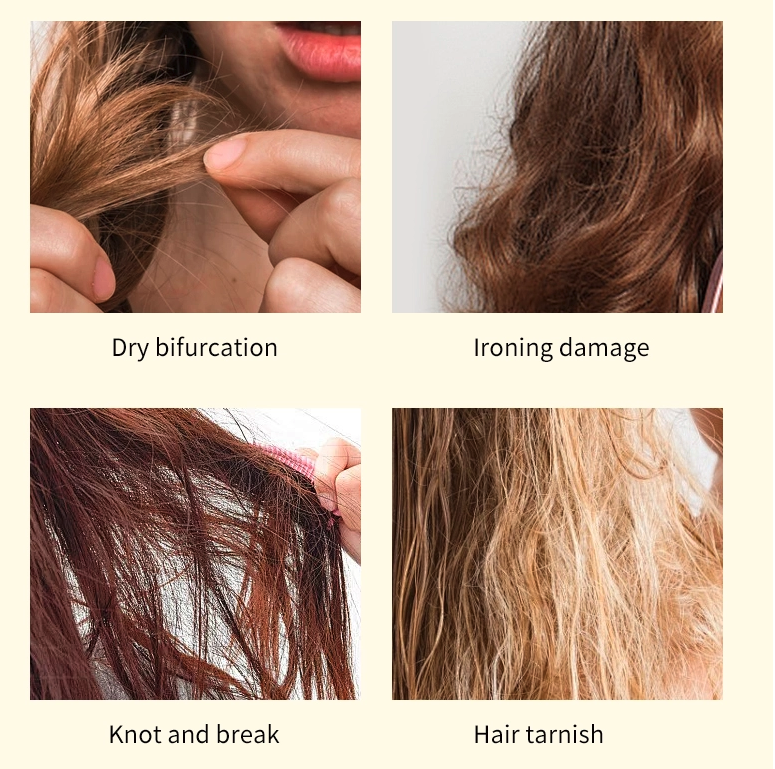
Choosing the right products is critical to your brand’s success. The products you launch define your brand’s identity and appeal to your target customers. In 2026, the hair care market favors products that solve specific hair concerns, use clean and effective ingredients, and offer visible benefits.
For a strong start, focus on a core lineup that covers essential hair care needs:
Shampoo: The foundation of any hair care routine. Opt for sulfate-free formulas to meet consumer demand for gentler cleansing.
Conditioner: Complements shampoo by providing moisture and detangling. Look for nourishing ingredients that suit your niche.
Treatments: Hair masks or bond repair treatments are popular for addressing damage and strengthening hair.
Serums: Leave-in serums or scalp treatments target specific concerns like frizz control, scalp health, or hair growth stimulation.
Launching with these four product types covers a broad range of hair needs and builds a complete routine that customers can trust.
The hair care market in 2026 is driven by several key product trends:
Sulfate-Free Shampoos: Consumers prefer gentle cleansing that preserves natural oils and avoids irritation.
Bond Repair Systems: Products that repair broken hair bonds, especially after chemical treatments, are in high demand.
Curl Care Solutions: Formulas designed to hydrate, define, and reduce frizz in textured and curly hair are growing fast.
Scalp Health Products: Scalp serums and treatments that promote a balanced, healthy scalp support hair growth and overall hair quality.
Choosing products that align with these trends can boost your brand’s relevance and appeal.
Your product choices send a clear message about your brand’s focus and values. For example:
A brand targeting dry, damaged hair might emphasize bond repair treatments and rich conditioners.
A clean beauty brand will highlight sulfate-free, natural ingredient formulations.
A luxury brand may feature premium serums and elegant packaging.
Selecting products that solve your hero problem helps you build a loyal customer base. It also simplifies marketing and inventory management. Avoid launching too many SKUs at once; start with a focused, high-quality lineup and expand as your brand grows.
When starting your private label hair care brand, understanding MOQ, lead time, and costs is key to a smooth launch and sustainable growth. These factors affect your budget, inventory, and how fast you can bring products to market.
MOQ means minimum order quantity — the smallest number of units you must buy per product SKU. For private label hair care, MOQs usually fall between 500 and 3,000 units. Smaller MOQs let you test the market without huge upfront inventory. Larger MOQs often reduce unit costs but require more capital and storage space.Some manufacturers offer flexible MOQs for startups, especially if you bundle multiple SKUs or commit to reorder plans. Be sure to ask about MOQ policies early, so you can plan your product launch and cash flow.
Lead time is the duration from placing your order to receiving finished products. For private label hair care, expect 30 to 60 days. This includes formulation finalization, manufacturing, quality checks, packaging, and shipping.Plan your launch timeline carefully. Factor in extra days for shipping delays, customs clearance, or last-minute adjustments. Starting your order at least 2 months before your planned launch date helps avoid stress. Also, build buffer time for marketing prep and inventory setup.
Several elements influence your product costs:
Formulation Complexity: Simple formulas cost less. Adding specialty actives (bond repair proteins, scalp actives) raises prices.
Packaging: Premium or custom packaging increases costs. Minimalist designs can save money but must still attract customers.
Compliance: Meeting FDA, EU, and other regulatory standards requires testing and documentation. These add to upfront expenses but are essential.
Don’t forget freight and import duties if sourcing internationally. These can impact your landed cost per unit.
Budget not just for your initial order but also for reorder cycles. Running out of stock can hurt sales and brand reputation. Track sales velocity early and reorder before inventory hits a critical low.Consider ordering a bit more than your projected first run if you have storage space and cash flow. This helps avoid costly emergency orders or production delays.Use sales data to adjust reorder quantities and timing. Some brands schedule monthly or quarterly reorders based on demand patterns.
Starting a private label hair care brand means more than just picking great products and packaging. You must navigate complex compliance and regulations to sell safely and legally, especially in key markets like the US and EU. Understanding these rules protects your brand, builds trust, and avoids costly legal issues.
In the US, hair care products fall under FDA cosmetic regulations. Your products must be safe for consumer use and properly labeled. The FDA doesn't approve cosmetics before sale, but it can take action against unsafe or misbranded products. You must ensure ingredient safety, truthful claims, and proper packaging info.In the EU, hair care products require registration with the Cosmetic Product Notification Portal (CPNP). This system ensures products meet EU Cosmetic Regulation standards for safety, ingredient use, and labeling. The EU enforces stricter rules on allergens and banned substances compared to the US. Compliance here requires thorough documentation and testing.
Your private label manufacturer should provide essential documentation:
INCI Lists: Standardized ingredient names for labeling transparency.
MSDS (Material Safety Data Sheets): Safety info on chemical ingredients.
COA (Certificate of Analysis): Confirms product meets quality specs.
Safety Testing: Ensures product is non-irritating and safe for skin/hair.
Stability Testing: Confirms product maintains quality over shelf life.
These documents prove your products meet regulatory and quality standards, which retailers and consumers increasingly demand.
Consumers now expect honesty and transparency. Claims like “clean,” “natural,” or “free from” require validation through ingredient audits and lab testing. Allergens must be clearly disclosed to protect sensitive users and comply with regulations.Retailers and e-commerce platforms often request proof of these claims before listing products. Brands ignoring this risk fines, product recalls, or loss of sales channels.
Choose a manufacturer experienced in regulatory compliance for your target markets. Ask if they:
Provide all required documentation upfront.
Conduct or support safety and stability testing.
Understand FDA and EU regulations deeply.
Help validate marketing claims and ingredient transparency.
Stay updated on changing regulations and industry standards.
A compliant manufacturer reduces your risk and speeds your time to market.
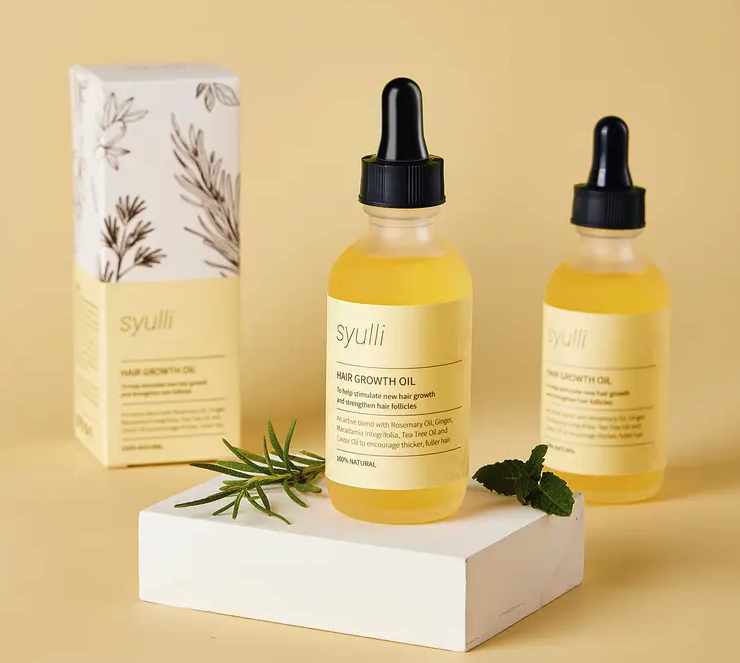
In 2026, hair care brands lean into minimalist and premium packaging. Clean lines, simple color palettes, and eco-friendly materials dominate. Packaging that looks elegant but avoids clutter wins customer trust. Think frosted glass bottles, matte finishes, and subtle embossing. Minimalist design signals quality and transparency, appealing to consumers who want honest, effective products. Sustainable packaging also matters—biodegradable, recyclable, or refillable containers align with growing environmental concerns.
Your product claims must be straightforward and focus on real benefits. Avoid vague promises or buzzwords. Instead, highlight what your product does best. For example, “Repairs damaged hair bonds” or “Balances scalp pH for healthier growth.” Clear claims help customers quickly understand your product’s value. They also build credibility and reduce skepticism. Use simple language that resonates with your target audience and reflects your brand positioning.
Consumers want to know what’s inside their products but dislike marketing fluff. Educate them by explaining key ingredients’ roles clearly and honestly. For instance, describe how keratin rebuilds hair structure or how salicylic acid soothes the scalp. Avoid exaggerations or unproven claims. Transparency builds trust and loyalty. Use your packaging, website, and social media to share ingredient stories that empower customers to make informed choices.
Here are some strong, on-trend claims effective in 2026:
Bond Repair for Chemically Treated Hair: Shows focus on damage restoration, a top consumer concern.
Scalp-Balancing, pH-Optimized Formula: Appeals to those seeking scalp health and comfort.
Silicone-Free Curl Definition System: Attracts customers wanting natural feel and enhanced curl shape.
These claims are benefit-driven, specific, and easy to understand. They help your brand stand out and connect with consumers looking for targeted solutions.
Selecting the right manufacturer is a critical step in launching your private label hair care brand in 2026. The right partner ensures product quality, regulatory compliance, and innovation speed. Here’s what to consider when evaluating manufacturers.
OEM (Original Equipment Manufacturer) and ODM (Original Design Manufacturer) capabilities define how much control you have over product design and formulation.
OEM manufacturers produce products based on your specifications, ideal if you have custom formulas or packaging ideas.
ODM manufacturers offer ready-made products you can brand, perfect for faster launches with less upfront work.
Choose a manufacturer that matches your brand’s customization needs and timeline. Some offer both OEM and ODM services, allowing you to start with private label then transition to custom formulations later.
Clean beauty remains a top trend in 2026. Your manufacturer should have expertise in formulating products free from harmful chemicals, parabens, sulfates, and synthetic fragrances. They must also support transparency in ingredient sourcing and allergen management.Look for manufacturers who:
Use natural and sustainably sourced ingredients.
Understand clean claims validation.
Provide documentation proving ingredient safety and compliance.
This expertise helps your brand meet consumer expectations and regulatory requirements.
Your manufacturer should offer flexibility to customize formulas, packaging, scents, and labels. This flexibility supports brand differentiation and responsiveness to market trends.Innovation speed matters too. Fast product development cycles enable you to launch new products or reformulate existing ones to stay competitive. Ask about their R&D capabilities and typical turnaround times for custom projects.
Many brands choose Asia-based manufacturers due to:
Competitive pricing: Lower production costs reduce your upfront investment.
Lower MOQs: Easier for startups to order smaller batches.
Export experience: Skilled in meeting US and EU import regulations.
Advanced formulation labs: Access to cutting-edge ingredients and technologies.
Faster innovation cycles: Agile development processes.
However, ensure clear communication and quality control protocols to avoid surprises.
Your manufacturer must comply with FDA regulations in the US and EU Cosmetic Regulation (CPNP) for Europe. This includes providing:
Complete ingredient lists (INCI).
Safety and stability testing reports.
Certificates of Analysis (COA).
Material Safety Data Sheets (MSDS).
Confirm they stay updated on evolving regulations and can support your brand through audits or retailer requirements.
Launching a successful private label hair care brand in 2026 requires clear brand positioning and targeted product selection. Choosing the right manufacturing partner is crucial for quality, compliance, and innovation. Strategic decisions about private label versus custom formulations impact speed and differentiation. By focusing on one hero problem and leveraging expert partners, you can build trust and stand out. Take action now to start your private label hair care journey with confidence. Rhine International Biotechnology (Guangdong) Co., Ltd. offers valuable expertise and products to support your brand’s growth.
A: A private label hair care brand sells pre-formulated products made by manufacturers, allowing you to customize packaging and branding without developing formulas from scratch.
A: Define your target audience and hero problem, choose niche products, select a compliant manufacturer, and plan your MOQ and lead times carefully to launch efficiently.
A: Private label brands offer faster market entry, lower upfront costs, and smaller MOQs, ideal for testing your concept before investing in custom formulations.
A: MOQs usually range from 500 to 3,000 units with lead times of 30–60 days; costs vary by formulation complexity and packaging choices.
A: Work with manufacturers who provide full regulatory documentation, safety testing, and support FDA and EU cosmetic regulations to avoid legal issues.