Want to launch a skincare brand without creating formulas from scratch? Private label skincare offers a booming opportunity. It lets you start quickly with proven products. In this post, you’ll learn what private label skincare is, why it’s popular, and how to build your own successful brand.
The skincare market is booming globally, showing steady growth year after year. More people focus on self-care and skin health, driving demand for effective, science-backed products. Categories like serums, creams, and targeted treatments are especially popular. Consumers want products that deliver visible results and fit their daily routines.This growth opens doors for private label skincare brands. However, competition is fierce. The most successful brands start small and focused, testing the market before expanding. They prioritize quality and transparency over launching many products at once.
Today's skincare buyers are savvy. They read labels, research ingredients, and want to know what goes into products. Transparency is no longer optional but essential. Brands that clearly communicate ingredient benefits and sourcing build stronger trust.Consumers also prefer clean, sustainable, and cruelty-free formulations. They expect brands to be honest about claims and provide evidence for product safety and effectiveness. This shift affects private label brands too. Partnering with manufacturers who provide detailed ingredient lists and certifications helps meet these expectations.
Finding a niche can set your brand apart. Instead of competing broadly, focus on specific skin concerns or target audiences. For example:
Sensitive skin formulas
Anti-aging serums
Vegan and cruelty-free skincare
Products for acne-prone skin
Minimalist skincare routines
Niches allow you to tailor your messaging and product benefits, making it easier to connect with customers. They also help reduce competition and increase customer loyalty.Market research tools and social media trends can reveal gaps or emerging needs. For instance, the rise in demand for CBD-infused skincare or blue light protection products shows how niches evolve.
Choosing a niche is critical. It helps your brand stand out and connect deeply with customers. Start by identifying specific skin concerns you want to address, such as acne, dryness, sensitivity, or aging. Focus on problems you understand or feel passionate about solving.Next, research your potential audience. Are they teens battling breakouts or mature adults seeking anti-aging solutions? Maybe they prefer natural, vegan, or cruelty-free products. Align your niche with consumer needs and market gaps. For example, if many brands target anti-aging but few focus on sensitive skin for men, that could be your opportunity.Avoid trying to serve everyone. A broad product line dilutes your message and complicates marketing. Instead, pick one or two skin concerns and build expertise there. This focus makes your brand memorable and trusted.
Your brand vision is your guiding star. It shapes your products, messaging, and customer experience. To align it with your audience, ask:
What values matter most to my customers? (e.g., sustainability, affordability, luxury)
What kind of experience do they want from skincare? (simple routines, indulgent rituals)
How can my brand solve their problems uniquely?
For example, if your audience values clean beauty, highlight ingredient transparency and eco-friendly packaging. If they want affordable daily essentials, focus on effective, no-fuss formulas.Keep your vision clear and consistent. It helps customers understand what you stand for and why they should choose you over competitors.
Many new brands make these mistakes:
Trying to launch too many products at once
Ignoring customer feedback and market trends
Overcomplicating formulas or packaging
Skipping niche research and targeting too broadly
To avoid these pitfalls, start small with a focused product line. Test your ideas through surveys, social media, or small batch launches. Listen closely to what customers say and adjust accordingly.Keep your formulas straightforward but effective. Overloading products with too many actives or claims can confuse buyers. Clear benefits and simplicity win trust.Finally, ensure your branding and messaging speak directly to your chosen niche. Consistency builds loyalty and sets the foundation for growth.
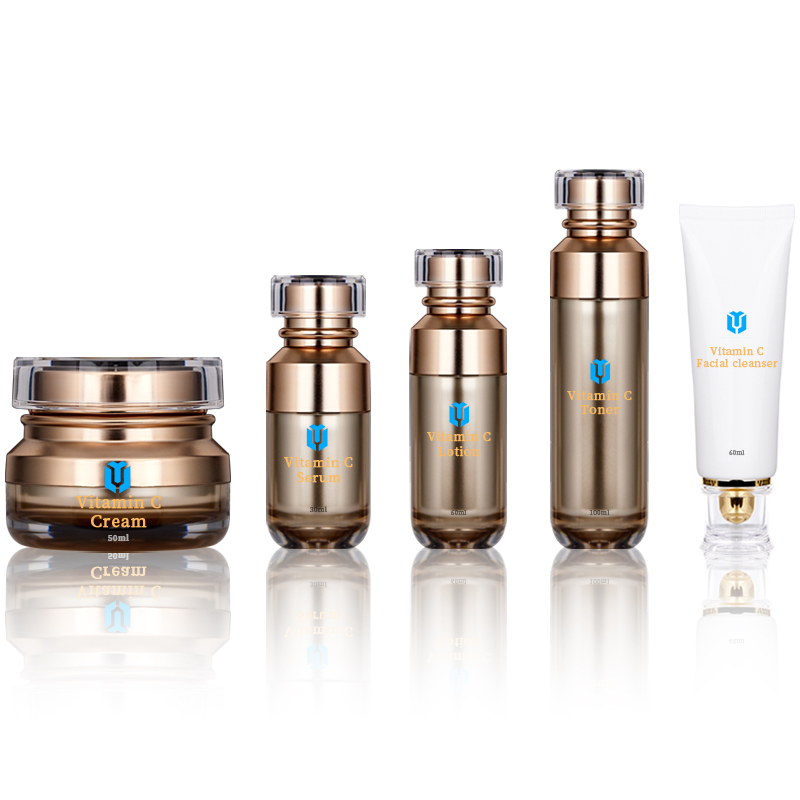
Starting your private label skincare brand means picking products that resonate with your target audience and fit your brand vision. Focus on a small, manageable range—usually one to three products. Popular starters include:
Serums: Lightweight, potent, and highly targeted for concerns like aging or hydration.
Creams: Moisturizers or night creams that offer lasting skin benefits.
Cleansers: Gentle face washes or makeup removers that fit daily routines.
These products are familiar to consumers, used regularly, and provide clear benefits. Launching too many products at once can overwhelm your budget and marketing efforts. Instead, select items that solve specific skin problems your audience cares about. For example, a brand targeting sensitive skin might start with a calming cleanser and a hydrating serum.
When choosing how to create your products, understand the difference between private label and custom formulation:
Private label uses pre-made formulas from manufacturers that you can slightly customize (fragrance, packaging, some ingredients).
Pros: Faster to market, lower cost, less risk, ideal for startups.
Cons: Limited uniqueness, some formulas may be available to other brands.
Custom formulation means creating unique products from scratch with a formulator.
Pros: Full control over ingredients, textures, and benefits; unique brand identity.
Cons: Higher costs, longer development time, more complex regulatory steps.
Most new brands start with private label to test the market and build a loyal customer base. Later, they may transition to custom formulas as they grow.
Private label doesn’t mean generic. You can tailor formulas to reflect your brand’s personality and meet your audience’s needs. Customizations include:
Adjusting fragrance or making fragrance-free options for sensitive skin.
Tweaking texture to be lightweight, rich, or gel-based.
Adding or swapping active ingredients like hyaluronic acid, vitamin C, or botanical extracts.
Choosing natural, vegan, or cruelty-free certifications to align with ethical values.
Work closely with your manufacturer to understand what changes are possible without compromising product stability or safety. Sampling is key—test small batches to ensure the product feels and performs as you envision.
Your brand identity is more than a logo or color scheme; it’s the story and feeling your customers associate with your products. It shapes how people perceive your skincare line and influences buying decisions.Start by defining your brand personality. Is it luxurious and elegant, fresh and youthful, or natural and eco-friendly? Use this personality to guide your visual elements like logo, fonts, and colors. Consistency across packaging, website, and marketing materials builds recognition and trust.Your brand voice matters too. Whether warm and friendly or professional and clinical, it should resonate with your target audience. For example, a brand focusing on sensitive skin might use gentle, reassuring language, while an anti-aging line could emphasize science-backed results.Storytelling is key. Share your brand’s mission, ingredient sourcing, and commitment to quality. This transparency connects emotionally and builds loyalty.
Packaging is your product’s first physical impression. Choose containers that protect formulas, suit your brand style, and appeal to customers. Common options include glass jars, airless pumps, tubes, and recyclable plastics.Sustainability is a growing priority. Many consumers prefer eco-friendly packaging made from recycled or biodegradable materials. Consider refillable options or minimalist designs that reduce waste. Sustainable packaging not only aligns with ethical values but also differentiates your brand.Work with your manufacturer to select packaging that meets your product’s needs and budget. Samples help test usability and aesthetics before finalizing.
Labels must comply with cosmetic regulations in your target markets to avoid legal issues and build consumer confidence. Key elements include:
Ingredient list: Use INCI names for transparency and consistency.
Net weight or volume: Clearly state product quantity.
Manufacturer and distributor info: Include company name and address.
Batch number and expiry date: Critical for traceability and safety.
Usage instructions and warnings: Help customers use products safely.
Claims and certifications: Only use verifiable claims like "cruelty-free" or "dermatologist tested."
Language and font size: Follow local rules for readability and language requirements.
Labels should be clean, easy to read, and aligned with your brand identity. Your manufacturer usually provides label templates and helps ensure compliance.
Regulatory compliance is critical in skincare. Every product must meet safety standards set by authorities in your target market. These rules protect consumers and ensure product safety. Common requirements include:
Ingredient restrictions and banned substances
Safety assessments and toxicology reports
Proper labeling with ingredient lists and warnings
Product Information File (PIF) documentation
Claims substantiation to avoid misleading consumers
For example, in the European Union, the Cosmetic Regulation (EC) No 1223/2009 governs all skincare products. It mandates a safety assessment by a qualified professional and requires a PIF for each product. Similar regulations exist in the US (FDA) and other countries.Ignoring these rules can lead to fines, product recalls, or damage to your brand’s reputation. Partnering with a knowledgeable manufacturer helps you navigate these complex requirements.
Good Manufacturing Practice (GMP) certification means a manufacturer follows strict quality and safety protocols during production. This certification ensures:
Clean, controlled production environments
Documented processes for traceability
Regular quality checks throughout manufacturing
Proper handling and storage of raw materials and products
Choosing a GMP-certified manufacturer reduces risks of contamination, inconsistent batches, or regulatory non-compliance. It also assures your customers that your products meet high safety standards.When vetting manufacturers, ask for their GMP certificates and details about their quality control processes. Transparency here is key.
Consistent product quality builds trust and loyalty. Quality control should cover every stage:
Raw material inspection for purity and safety
In-process checks during formulation and filling
Final product testing for appearance, pH, microbial contamination, and stability
Batch record keeping for traceability
Manufacturers often perform these tests, but you should request documentation and, if possible, conduct independent testing. Stability testing is especially important to confirm your product remains safe and effective over time.Clear quality standards and regular audits help catch issues early and maintain your brand’s reputation.
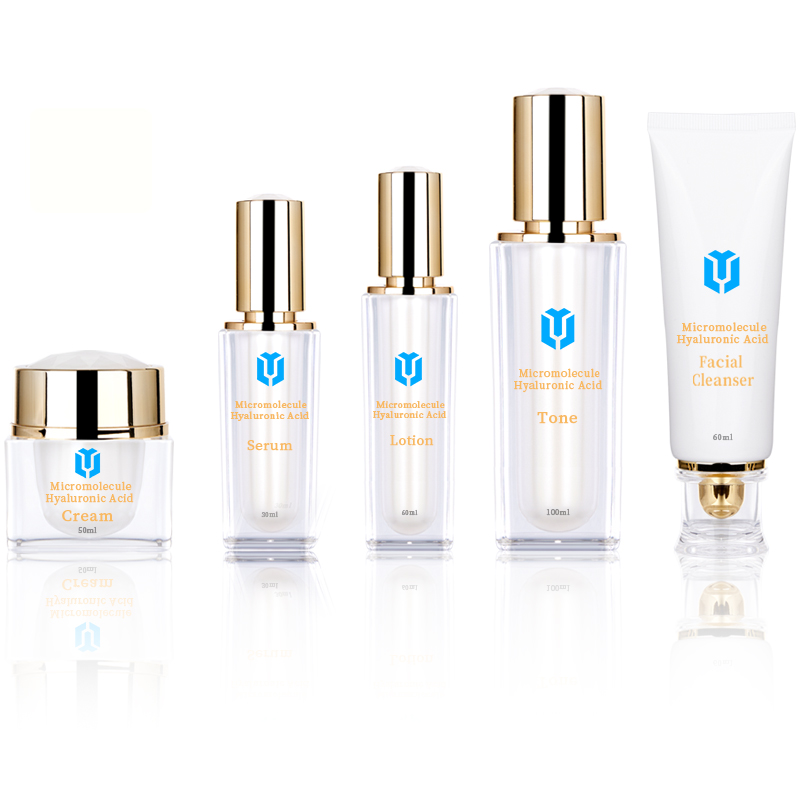
Low minimum order quantities (MOQs) have transformed how skincare brands launch. Instead of committing to large, costly batches, startups can produce small runs to test the market. This flexibility reduces upfront investment and financial risk. It also allows brands to gather real customer feedback before scaling production. For example, a new brand can order just a few hundred units of a serum, see how it sells, then adjust the formula or packaging for the next batch.Low MOQs make it easier to manage inventory and cash flow. You avoid overstocking products that may not perform well, which is crucial for startups with limited budgets. Additionally, smaller batches allow quicker product iterations, helping brands stay agile and responsive to trends or customer preferences.
Production timelines typically range from 30 to 45 days after formula and packaging approval. This includes manufacturing, filling, labeling, and quality control. Fast turnaround helps brands get products to market quickly, maintaining momentum and customer interest.Costs depend on factors like:
Product type and complexity
Packaging choice and customization
Order size and MOQs
Regulatory compliance and testing requirements
For instance, a simple cleanser in standard packaging costs less to produce than a serum with custom actives in eco-friendly glass bottles. Startups should request detailed quotes from manufacturers covering all these aspects to budget accurately.Keep in mind, lower MOQs might increase the per-unit cost compared to large runs, but the overall investment remains lower. This trade-off favors startups testing their concept before scaling.
To manage costs and risks effectively:
Start small: Launch with one or two core products instead of a full line.
Choose private label formulas: They cut development time and costs versus custom formulations.
Use standard packaging: Avoid costly custom containers initially; upgrade after validating demand.
Negotiate MOQs: Some manufacturers offer flexible MOQs or staggered payments for startups.
Plan marketing carefully: Use cost-effective channels like social media and influencer partnerships.
Order samples: Test products before full production to avoid costly mistakes.
Track expenses: Monitor production, packaging, shipping, and marketing costs closely to adjust strategies.
These tactics help maintain cash flow and minimize financial exposure. They also allow you to learn and adapt quickly, increasing chances of long-term success.
A successful launch starts long before your products hit shelves. Begin by setting clear goals: Are you aiming for brand awareness, initial sales, or customer feedback? Define your key performance indicators (KPIs) such as website visits, social media engagement, or pre-orders.Build anticipation by teasing your launch on social media and email newsletters. Share behind-the-scenes content—like packaging design or formulation stories—to create excitement and trust. Soft launches, where you release products to a limited audience first, help gather valuable feedback and refine your approach.Prepare your sales channels in advance. Whether you sell on your website, marketplaces, or retail stores, ensure inventory, shipping, and customer service are ready. Product photography and compelling descriptions are essential; they showcase your brand’s personality and benefits clearly.Finally, plan for post-launch support. Engage with customers through surveys, reviews, and social media comments. This interaction builds loyalty and provides insights for future product improvements or line expansions.
Marketing your skincare brand requires a mix of channels tailored to your audience and budget:
Social media: Instagram, TikTok, and Pinterest are powerful platforms for skincare brands. Use them to share tutorials, testimonials, and influencer partnerships. Visual content resonates well here.
Influencer collaborations: Partner with skincare enthusiasts or micro-influencers who align with your brand values. They can provide authentic reviews and reach niche audiences.
Content marketing: Blogs, videos, and newsletters educate customers about your products and skincare tips. This builds authority and keeps your brand top-of-mind.
Email marketing: Collect emails early and send personalized offers, launch announcements, and skincare advice. Email nurtures long-term relationships.
Paid ads: Targeted ads on social media or search engines can boost visibility quickly. Start small, test different creatives, and optimize based on results.
PR and media: Getting featured in beauty magazines or online publications adds credibility. Press releases and product samples can attract editorial interest.
Choose channels that best fit your audience and brand story. Consistency across platforms reinforces your message and builds recognition.
Trust is crucial in skincare. Transparent pricing helps customers understand the value behind your products. Break down costs like ingredients, packaging, and ethical practices to justify your price point. Avoid hidden fees or confusing discounts.Storytelling connects emotionally. Share your brand’s mission, ingredient sourcing, and manufacturing process. Highlight your commitment to quality, sustainability, or social causes. Authentic stories humanize your brand and foster loyalty.Use customer testimonials and before-and-after photos to demonstrate real results. Transparency about product benefits and limitations sets realistic expectations, reducing returns and complaints.Engage openly on social media and respond promptly to questions or concerns. This openness builds a community around your brand and encourages repeat purchases.
Starting a private label skincare brand requires clear focus on niche and product quality. Choosing the right manufacturing partner ensures compliance and consistency. Rhine International Biotechnology (Guangdong) Co., Ltd. offers expert support and customizable formulas to help your brand succeed. With their reliable services, you can confidently turn your skincare ideas into market-ready products that meet consumer demands and build lasting trust. Partnering with them streamlines your journey from concept to launch.
A: Private label skincare refers to pre-formulated skincare products made by manufacturers that brands can customize slightly and sell under their own name.
A: Focus on specific skin concerns like sensitive skin or anti-aging and target a defined audience to stand out and build trust.
A: Consumers demand clear ingredient information to trust product safety and effectiveness, making transparency essential for brand success.
A: It offers faster market entry, lower costs, and less risk compared to custom formulation, ideal for startups.
A: Partner with GMP-certified manufacturers who provide thorough quality control and regulatory compliance documentation.
A: Costs include product type, packaging, order size, and compliance testing; low minimum order quantities help reduce upfront investment.
A: Use social media, influencer partnerships, content marketing, and transparent storytelling to build trust and engage customers.